Introduction
The art of cooking is an ever-evolving skill that beckons culinary enthusiasts to continually update their knowledge and techniques. In the modern age, where food culture is as diverse as it is dynamic, enrolling in culinary classes has become a pivotal step for those looking to elevate their cooking game and transform their kitchen into a space of creativity and high efficiency. Whether you're a seasoned chef or a budding cook, the right culinary class can open doors to new cuisines, refine your techniques, and introduce you to a community of like-minded food lovers.
This comprehensive guide explores five types of culinary classes that not only promise to enhance your cooking skills but also aim to reimagine your kitchen space. Through expert perspectives, industry insights, and practical applications, we delve into how each class can contribute to your culinary journey. From mastering the basics to exploring world cuisines, and even embracing the digital age with online courses, this post is your roadmap to becoming a more proficient, inspired, and organized cook.
In delving deeper into the realm of culinary introductions, one cannot overlook the vital role of spices. Much like opening lines in a captivating story, the right blend of spices can set the tone for a memorable dish. Consider the aromatic dance of cumin and coriander in a traditional Indian curry, or the zesty kick of chili flakes heralding the start of a vibrant Mexican salsa. Just as a well-crafted introduction hooks readers into a narrative, the perfect spice blend can captivate taste buds from the very first bite, laying the foundation for a culinary journey that unfolds with each flavorful twist.
1. Fundamental Cooking Techniques
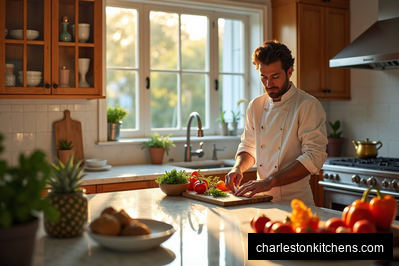
For those starting their culinary journey or looking to solidify their cooking foundation, classes focusing on fundamental cooking techniques are indispensable. These classes offer a deep dive into the basics, such as knife skills, understanding cooking temperatures, and mastering the mother sauces. Renowned institutions like The Culinary Institute of America and Le Cordon Bleu offer workshops and short courses designed to build a strong culinary foundation. Through these classes, students learn the importance of precision and timing, which are crucial in transforming their kitchen into a more efficient and professional space.
Expert chefs emphasize the significance of mastering these fundamentals, noting that a solid understanding of basic techniques forms the backbone of all culinary endeavors. By incorporating these skills into daily cooking practices, home cooks can significantly reduce meal preparation time, minimize food waste, and enhance the flavor and presentation of their dishes. Furthermore, these foundational classes encourage students to experiment with different ingredients and cooking methods, fostering creativity in the kitchen.
Exploring fundamental cooking techniques opens the door to a world of culinary possibilities. Beyond mastering basic knife skills and cooking methods, diving deeper into the nuances of sautéing, braising, and roasting can elevate your dishes to new heights. Understanding how to properly sear a steak for a perfect crust or braise tender cuts of meat until they melt in your mouth can truly transform your cooking game.
Moreover, learning the art of deglazing a pan to create flavorful sauces or mastering the technique of emulsifying a vinaigrette can add layers of complexity to your dishes. These fundamental techniques not only form the backbone of cooking but also provide a solid foundation for experimenting with flavors and textures in the kitchen.
2. World Cuisine Exploration
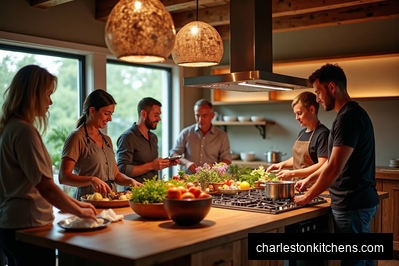
Exploring world cuisines is not just about learning new recipes; it's a journey that introduces cooks to unique ingredients, cooking techniques, and cultural traditions. Culinary classes that focus on specific cuisines, such as Italian, Japanese, or Mexican, provide an immersive experience that goes beyond the kitchen. Schools like the International Culinary Center offer specialized courses that combine cooking instruction with cultural education, allowing students to gain a comprehensive understanding of the cuisine they're studying.
These classes often include market visits, wine tastings, and language lessons, offering a holistic approach to learning about world cuisines. As students become more familiar with international ingredients and techniques, they can start incorporating these elements into their cooking, broadening their culinary repertoire. This not only enhances the variety and flavor of meals but also transforms the kitchen into a global exploration space where diverse cultures and tastes are celebrated.
Delving into the vibrant world of global gastronomy opens up a treasure trove of culinary delights beyond just recipes. It's a cultural immersion where flavors tell stories of distant lands and traditions. Take, for instance, the intricate spices of Indian cuisine that ignite the senses with layers of heat and depth, or the delicate artistry of Japanese sushi-making that embodies precision and simplicity. Each dish becomes a portal to a new experience, connecting us to the diverse heritage and innovation found in kitchens around the world.
3. Advanced Culinary Techniques and Plating
For those looking to take their cooking to the next level, classes focusing on advanced culinary techniques and plating can provide the necessary skills to create restaurant-quality dishes at home. These courses cover a range of topics, from sous-vide cooking and molecular gastronomy to artistic plating techniques. Culinary schools like The Institute of Culinary Education offer advanced workshops where students can learn from experienced chefs who are adept at modern culinary innovations.
Adopting these advanced techniques not only elevates the taste and presentation of dishes but also encourages efficiency and creativity in the kitchen. Learning to use modern cooking equipment and techniques can significantly reduce cooking time and enhance precision, allowing for more elaborate dishes to be prepared with ease. Moreover, the focus on plating and presentation teaches cooks the importance of visual appeal in cuisine, transforming ordinary meals into extraordinary culinary experiences.
Elevating your dishes with intricate plating techniques can truly transform a meal into a work of art. From the delicate placement of microgreens to the precise drizzling of sauces, mastering the art of plating can enhance not only the visual appeal but also the overall dining experience. Imagine creating a stunning dessert plate where each element is placed with purpose and elegance, showcasing your attention to detail and creativity. Advanced culinary techniques go hand in hand with exquisite plating, allowing you to present dishes that not only taste exceptional but also look stunning on the plate.
4. Health and Nutrition Focused Cooking
In an era where health consciousness is on the rise, culinary classes that emphasize health and nutrition have become increasingly popular. These classes offer insights into cooking methods and ingredients that maximize nutritional value without compromising on taste. From plant-based cooking to courses on anti-inflammatory foods, institutions like the Natural Gourmet Institute provide programs that cater to specific dietary needs and preferences.
Such classes not only teach students how to prepare healthy and delicious meals but also how to make informed choices about the foods they consume. This knowledge can significantly impact one's lifestyle, leading to a healthier and more sustainable approach to cooking. Additionally, these courses often include lessons on meal planning and kitchen organization, helping students create a kitchen space that supports their health goals. By incorporating these practices, individuals can enjoy a balanced diet that is both nourishing and enjoyable.
Exploring health and nutrition focused cooking goes beyond just using fresh ingredients; it's about understanding the science behind food choices. For instance, incorporating superfoods like quinoa, chia seeds, and kale not only adds flavor but also boosts the nutritional value of your dishes. Cooking techniques such as steaming, grilling, and stir-frying can help retain nutrients while keeping the calorie count in check. By delving into the realm of health-driven cooking, one can create delicious meals that nourish the body and mind, promoting overall well-being.
5. Online Culinary Classes and Digital Learning
The digital age has transformed the way we learn, and culinary education is no exception. Online culinary classes offer the flexibility to learn from top chefs and culinary institutions from around the world, all from the comfort of your own home. Platforms like Master Class, Udemy, and Coursera feature courses on a wide range of culinary topics, from baking to barbecue, taught by industry experts like Gordon Ramsay and Thomas Keller.
The convenience and accessibility of online classes make them an excellent option for busy individuals or those who live far from culinary schools. These courses often include video tutorials, interactive Q&A sessions, and community forums where students can share experiences and advice. Online learning allows students to progress at their own pace, making it easier to incorporate lessons into their daily cooking practices. As a result, the kitchen becomes a space of continuous learning and experimentation, where new skills and techniques can be honed with each meal prepared.
One fascinating aspect of online culinary classes is the ability to learn from renowned chefs around the world without leaving your kitchen. Imagine perfecting your pasta-making skills with an Italian chef or mastering the art of sushi with a Japanese culinary expert. These classes not only offer diverse cultural experiences but also provide a personalized learning environment tailored to your pace and preferences.
Moreover, digital learning platforms often incorporate interactive features like live Q&A sessions, virtual kitchen simulations, and community forums where students can share tips and recipes. This interactive approach not only enhances the learning experience but also fosters a sense of belonging in a global culinary community, connecting food enthusiasts from different backgrounds through a shared passion for gastronomy.
Conclusion
Culinary classes offer more than just cooking lessons; they provide a pathway to transforming your kitchen into a space of creativity, efficiency, and exploration. Whether through mastering fundamental techniques, exploring world cuisines, delving into advanced culinary arts, focusing on health and nutrition, or embracing the convenience of online learning, these classes equip individuals with the skills and knowledge to elevate their cooking game.
By investing in culinary education, cooks of all levels can expand their culinary repertoire, improve their cooking techniques, and enjoy a more satisfying and nourishing relationship with food. The journey to becoming a better cook is a personal and ongoing adventure, and these classes offer the tools and inspiration needed to continue growing and evolving in the culinary world. So, take the leap, enroll in a class that speaks to your culinary aspirations, and watch as your cooking—and your kitchen—transforms into something truly extraordinary.
In conclusion, participating in culinary classes not only enhances your cooking skills but also cultivates a deeper appreciation for diverse cuisines and culinary traditions. By immersing yourself in a hands-on learning environment, you not only master new techniques but also gain insights into the cultural significance behind each dish. For example, understanding the history and ingredients of a traditional Italian pasta dish can enrich your dining experience and broaden your culinary horizons. In essence, the conclusion of a culinary class marks the beginning of a culinary journey filled with exploration, creativity, and a newfound passion for cooking.