Introduction
Southern kitchen design, particularly from a Charleston perspective, carries a rich tapestry of history, culture, and innovation. This exploration into the evolution of Southern kitchen design not only uncovers the traditional charm and enduring legacies of the past but also reveals how modern influences and technologies have seamlessly integrated into these spaces, creating kitchens that are both functional and deeply rooted in Southern hospitality. From the ornate details of antebellum homes to the sleek minimalism of contemporary designs, Charleston's kitchens tell a story of adaptation and style, making them a fascinating subject of study for anyone interested in interior design, architecture, or Southern culture.
In delving deeper into the introduction, one can uncover how Southern kitchen design in Charleston seamlessly blends traditional charm with modern functionality. From the iconic plantation-style kitchens to the intricate wrought-iron accents, each element tells a story of cultural heritage and architectural finesse.
The Roots of Charleston's Kitchen Design
The foundational elements of Southern kitchen design in Charleston are deeply intertwined with the city's history and cultural heritage. Early Charleston kitchens were separate from the main house, a design choice driven by both the heat generated from cooking and concerns over fire safety. These detached kitchens were utilitarian spaces, equipped with large hearths and built-in features like bread ovens. The use of local materials, such as Carolina brick and heart pine, was common, giving these early kitchens a rustic, durable character.
As Charleston evolved, so too did its kitchens. The 19th century brought changes in architectural styles and domestic needs, leading to the integration of kitchens into the main house. This period saw the introduction of cast iron stoves and the gradual shift towards more ornate, decorative elements in kitchen design. The influence of European styles, particularly French and English, began to permeate Charleston's kitchens, introducing a sense of elegance and refinement to these once purely functional spaces.
Exploring further into Charleston's kitchen design heritage unveils how Gullah Geechee influences shaped the culinary landscape. From hand-woven sweetgrass baskets to vibrant indigo hues, these cultural markers are embedded in every aspect of the city's kitchens.
The Transition to Modernity
The 20th century marked a significant turning point in the evolution of kitchen design in Charleston and the South at large. Technological advancements, such as refrigeration and improved cooking appliances, alongside changes in social dynamics, significantly altered the function and layout of the Southern kitchen. The mid-century saw a movement towards more efficient, "labor-saving" kitchens, reflecting a nationwide trend in home design. This era introduced features like fitted cabinets, electric appliances, and linoleum flooring, signifying a shift towards convenience and modernity.
Despite these changes, Charleston's kitchens retained a sense of warmth and hospitality, blending new technologies with traditional designs. The late 20th century and early 21st century have seen a resurgence in appreciation for artisanal and bespoke elements, with homeowners seeking to balance modern functionality with historic charm. Local craftsmen and designers have played a pivotal role in this renaissance, creating custom cabinetry, reclaimed wood features, and handcrafted tiles that pay homage to Charleston's rich architectural heritage while meeting contemporary needs.
The transition to modernity in kitchen design during the 20th century in Charleston can be exemplified by the shift from traditional wood-burning stoves to sleek electric appliances. This change revolutionized cooking practices and transformed the culinary landscape.
The Influence of Technology and Sustainability
In recent years, the integration of technology and sustainability has become a prominent trend in Southern kitchen design, reflecting broader societal shifts towards environmental consciousness and smart home technologies. Charleston, in particular, has seen a rise in kitchens designed with energy-efficient appliances, sustainable materials, and smart systems for lighting, temperature control, and even gardening. Innovations such as solar-powered appliances, water-saving fixtures, and composting systems are becoming more prevalent, driven by a desire to reduce environmental impact and embrace a more sustainable lifestyle.
This trend towards sustainability does not compromise the aesthetic or functional qualities of the kitchen. On the contrary, it enhances them. Designers are finding creative ways to incorporate these technologies into kitchens in a way that feels authentic to the Southern aesthetic, using materials like recycled glass countertops and bamboo flooring to create spaces that are both beautiful and environmentally responsible. The rise of smart kitchens in Charleston also reflects a blend of tradition and innovation, with homeowners using technology to facilitate cooking, improve efficiency, and enhance the overall kitchen experience.
One exciting development in the realm of technology and sustainability is the rise of smart energy systems. These innovative solutions leverage advanced tech to optimize energy consumption, reducing waste and promoting eco-friendly practices.
The Heart of the Home: Charleston's Kitchen Today
Today, the kitchen continues to hold a place of centrality in Charleston homes, embodying the spirit of Southern hospitality and gathering. The modern Southern kitchen is a testament to the region's ability to adapt and evolve, incorporating elements of the past while embracing the possibilities of the future. Open floor plans, large islands, and outdoor kitchens are becoming staples in Charleston homes, facilitating social gatherings and reflecting the importance of community and family in Southern culture.
The aesthetic of Charleston's kitchens is also evolving, with designers blending traditional elements such as shiplap walls, farmhouse sinks, and antique fixtures with modern touches like stainless steel appliances and quartz countertops. This fusion of old and new creates spaces that are uniquely Charleston, reflecting the city's storied past and vibrant present. As Southern kitchen design continues to evolve, it remains a reflection of the values, traditions, and innovations that define Charleston and the South.
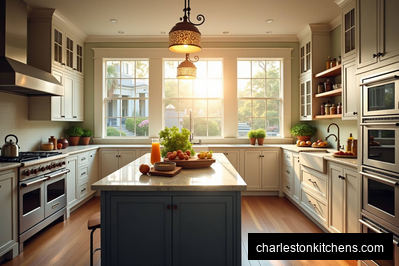
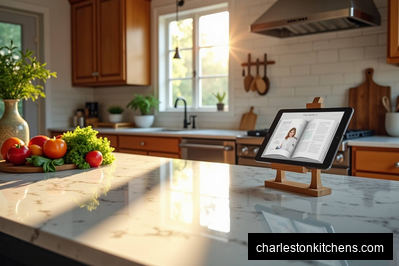
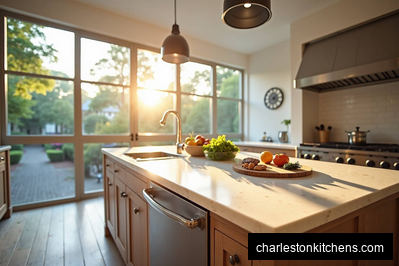
In Charleston's modern kitchens, a blend of traditional charm and contemporary functionality reigns supreme. From the iconic gas lanterns casting a warm glow over marble countertops to the sleek stainless steel appliances seamlessly integrated into the historic architecture, these kitchens are a testament to the city's unique design fusion.
Conclusion
The evolution of Southern kitchen design, especially from a Charleston perspective, offers a fascinating glimpse into the interplay between tradition and innovation. These spaces, once purely functional and separate from the main living areas, have transformed into the heart of the home, reflecting changes in technology, society, and lifestyle. Despite these shifts, Charleston's kitchens continue to embody the warmth, hospitality, and aesthetic beauty that are hallmarks of Southern design. As we look to the future, it is clear that Charleston will continue to lead the way in creating kitchen spaces that honor the past while embracing the advancements and possibilities of the future. For homeowners, designers, and architects alike, the Southern kitchen remains a source of inspiration, a space where history, functionality, and beauty converge.
In adopting a Charleston perspective on kitchen design, we find a model for how spaces can adapt over time without losing their identity. It is a testament to the enduring appeal of Southern design principles and an invitation to continue exploring and innovating within this rich cultural and architectural context. Whether renovating a historic home or designing a new one, the evolution of the Southern kitchen offers valuable insights and inspiration for creating spaces that are both functional and deeply imbued with the unique charm and hospitality of the South.
In conclusion, the integration of modern technology into Southern kitchen design, as seen in the rise of smart appliances and energy-efficient fixtures, underscores the timeless charm of traditional aesthetics. This harmonious blend bridges the gap between functionality and heritage, ensuring a seamless culinary experience.